

Cornea Services
Book AppointmentBest Cornea Specialist & Eye Care in Hyderabad – Expert Treatment for Corneal Disorders
Common corneal disorders can be broadly categorized into ocular surface disorders, ectatic disorders, infectious disorders, and corneal degenerative and dystrophic conditions. These conditions can significantly affect corneal health, leading to vision impairment and discomfort. If you are experiencing any corneal issues, consulting a cornea specialist in Hyderabad is essential for accurate diagnosis and advanced treatment. At a leading cornea clinic in Hyderabad, Telangana, patients receive specialized care for various corneal conditions, ensuring optimal eye health. Seeking treatment from the best cornea specialist in Hyderabad can help prevent complications and restore clear vision with advanced medical and surgical interventions. For comprehensive eye care, visiting the best eye hospital in Hyderabad ensures access to cutting-edge technology and experienced professionals. Whether you need expert consultation from an eye specialist in Hyderabad or a highly skilled eye specialist doctor in Hyderabad, choosing the right medical facility plays a crucial role in effective treatment and long-term eye wellness. If you need specialized corneal care, consult a trusted cornea specialist in Hyderabad today and take the first step toward clearer, healthier vision.
Book AppointmentCorneal Health and Care
Avoid rubbing your eyes
Rubbing your eyes can worsen irritation and increase the risk of infection.
Wear protective eyewear
Protect your eyes from bright light and physical harm by wearing the right eyewear.
Follow a balanced diet
A nutrient-rich diet helps maintain overall eye health and prevents vision issues.
Take breaks from screens
Reduce eye strain by following the 20-20-20 rule when using screens.
Visit an eye care professional
Regular checkups help detect and treat eye issues early.
Follow the rule 20-20-20
Every 20 minutes, look at something 20 feet away for 20 seconds to reduce eye strain.
Treatments available at Shanthi Nethralaya Eye Hospital
Common corneal disorders can be broadly categorized into ocular surface disorders, ectatic disorders, infectious disorders, and corneal degenerative and dystrophic conditions. Each category encompasses a variety of conditions that can affect the cornea’s health and function, impacting vision and overall eye wellness.
Ocular Surface Disorders
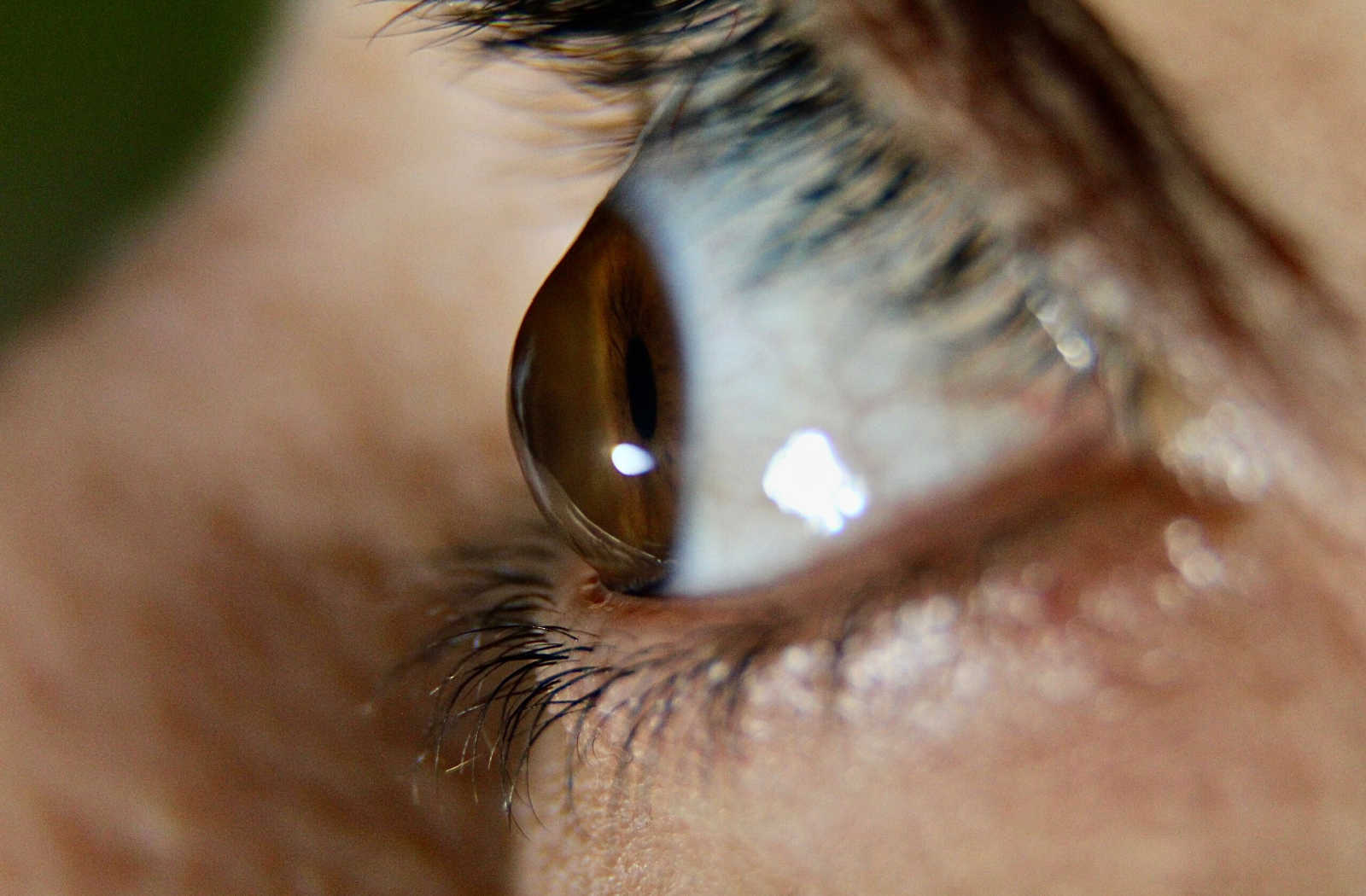
Pterygium
A progressive thinning and bulging of the cornea, resulting in distorted vision. It is often treated with specialized contact lenses, corneal cross-linking, or corneal transplant.
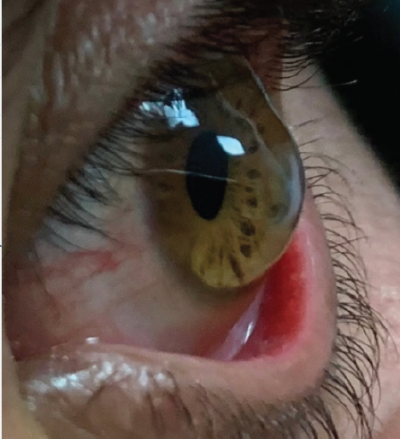
Dry Eye Disease
Pellucid Marginal Degeneration a thinning of the cornea along its lower edge, causing irregular astigmatism and visual impairment.
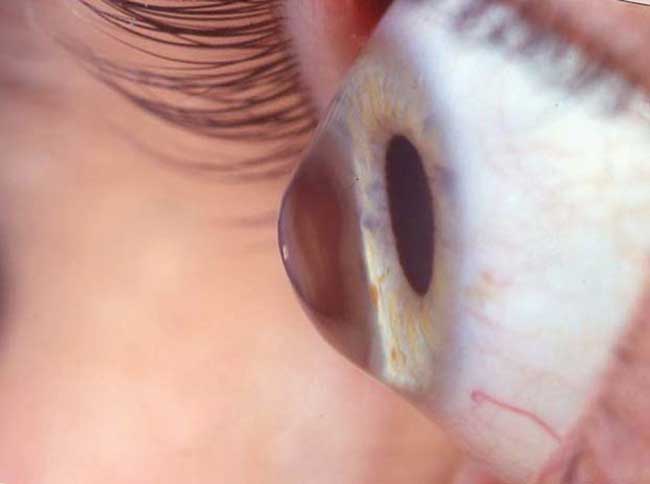
Allergic Conjunctivitis
Posterior Keratoconus a rare condition where the back surface of the cornea becomes steepened, which may lead to visual distortion and require monitoring.
Ectatic Disorders
Keratoconus
A progressive thinning and bulging of the cornea, resulting in distorted vision. It is often treated with specialized contact lenses, corneal cross-linking, or corneal transplant.
Corneal Ulcers
Pellucid Marginal Degeneration a thinning of the cornea along its lower edge, causing irregular astigmatism and visual impairment.
Corneal Infections
Posterior Keratoconus a rare condition where the back surface of the cornea becomes steepened, which may lead to visual distortion and require monitoring.
Indications for Corneal Transplants
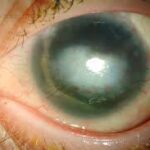
Corneal Scar
Keratoconus

Fuchs' Dystrophy
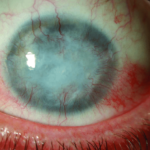
Corneal Degeneration
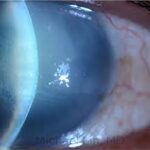
Corneal Swelling
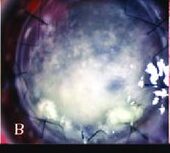
Failed Previous Transplant
Preparation for Corneal Transplants
Before the surgery, patients undergo a thorough evaluation to assess their overall health and suitability for the procedure. Pre-operative tests may include blood tests, imaging, and a complete eye examination. Patients may need to stop certain medications prior to the surgery.
Recovery and Post-Surgery Care
Recovery from corneal transplants can vary depending on the type of procedure and individual patient factors. Patients may experience discomfort and vision fluctuations in the initial days or weeks after surgery. Post-surgery care includes using prescribed eye drops to prevent infection and inflammation, as well as attending follow-up appointments for monitoring progress.
Types of Corneal Transplants
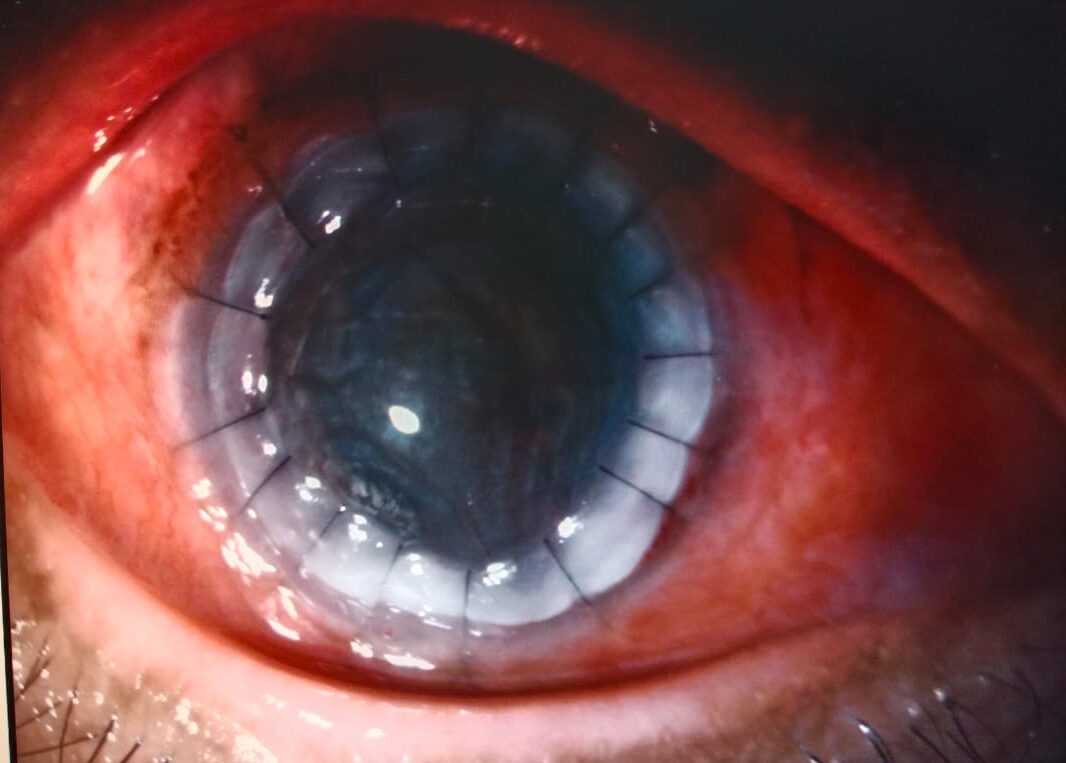
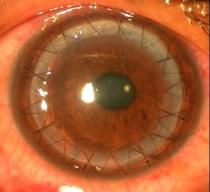
Penetrating Keratoplasty (PKP)
- Overview: Penetrating keratoplasty (PKP) is a full-thickness corneal transplant where the entire cornea is replaced with healthy donor tissue. This is one of the oldest and most common forms of corneal transplant, used to treat conditions such as corneal scarring, dystrophies, and keratoconus.
- Procedure: The surgeon removes a circular portion of the patient’s damaged cornea and replaces it with a matching circular donor cornea, sewing it in place with sutures. PKP is typically performed under local anesthesia with sedation or general anesthesia.
- Recovery: Recovery can take several months, as the sutures need time to heal and vision may fluctuate during this period. Regular follow-up appointments are necessary to monitor healing and progress.
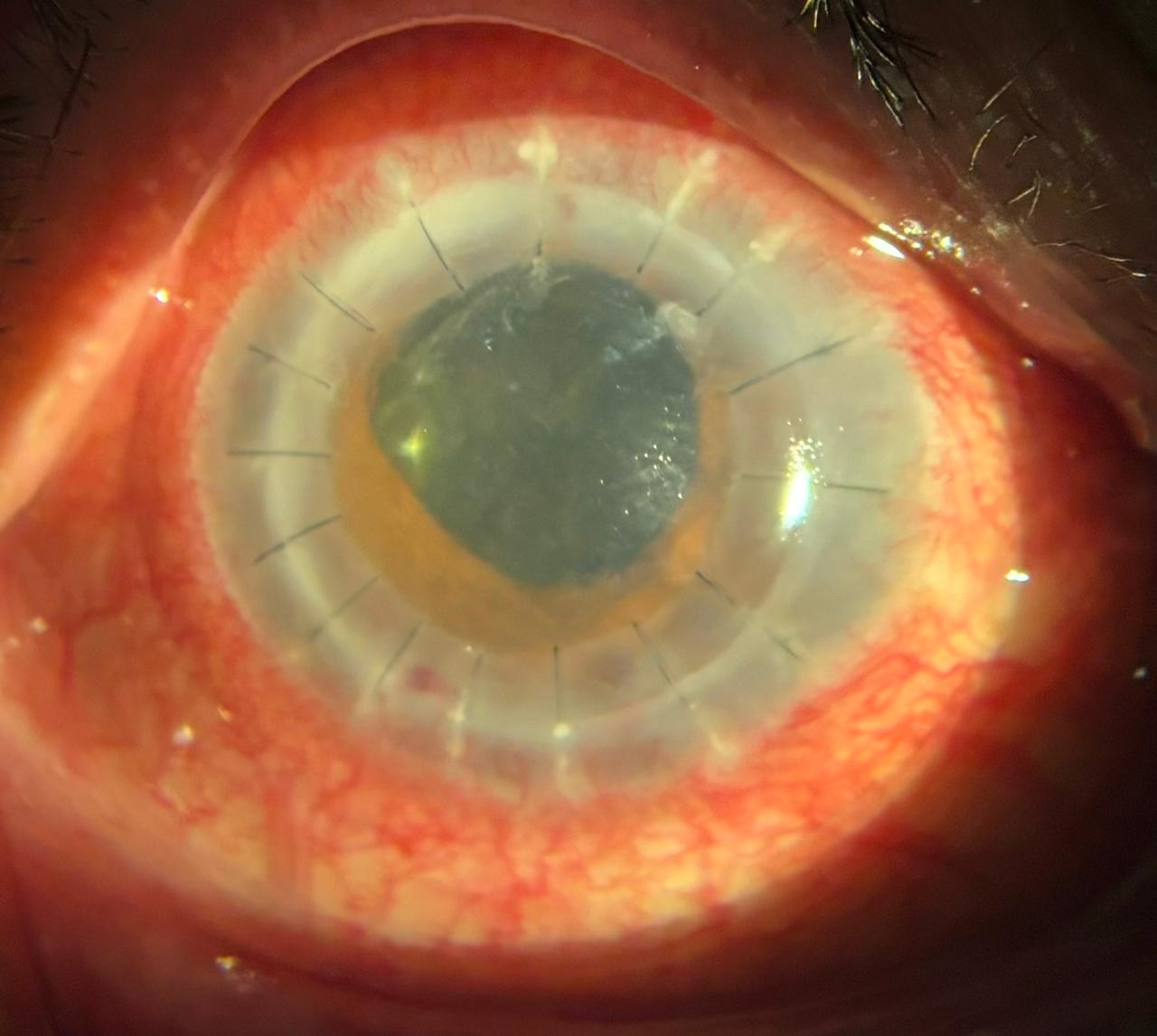
Deep Anterior Lamellar Keratoplasty (DALK)
- Overview:DALK removes the outer layers of the cornea up to Descemet’s membrane, leaving the endothelium intact. This procedure may require specialized equipment and techniques.
- Procedure:In ALK, the surgeon carefully removes the anterior layers of the cornea and replaces them with donor tissue. The endothelium is left intact, reducing the risk of rejection.
- Recovery:Recovery from ALK is generally quicker than PKP, as the endothelium is preserved.
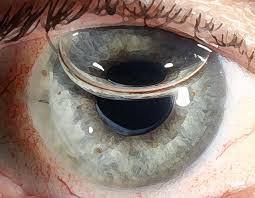
Descemet's Stripping Endothelial Keratoplasty (DSEK)
- Overview: DSEK is similar to DSAEK but uses a thinner donor graft composed of the endothelium, Descemet’s membrane, and a very thin layer of stroma.
- Procedure: The procedure is similar to DSAEK, but with a thinner graft that allows for better fit and quicker recovery.
- Recovery: Recovery is generally faster, and patients may experience improved vision within a few weeks.
Descemet's Membrane Endothelial Keratoplasty (DMEK)
- Overview: DMEK is the most advanced form of endothelial keratoplasty, involving the replacement of only the endothelium and Descemet’s membrane with an ultra-thin donor graft.
- Procedure: The surgeon removes the patient’s damaged endothelium and Descemet’s membrane and replaces it with the donor graft. Precision and skill are required to handle the delicate tissue.
- Recovery: Recovery is rapid, and vision can improve significantly within a short period. The risk of rejection is lower than in other transplants.
Why Choose Shanthi Nethralaya
Surgeon's Expertise
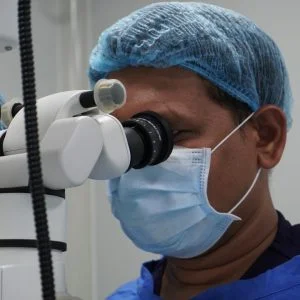
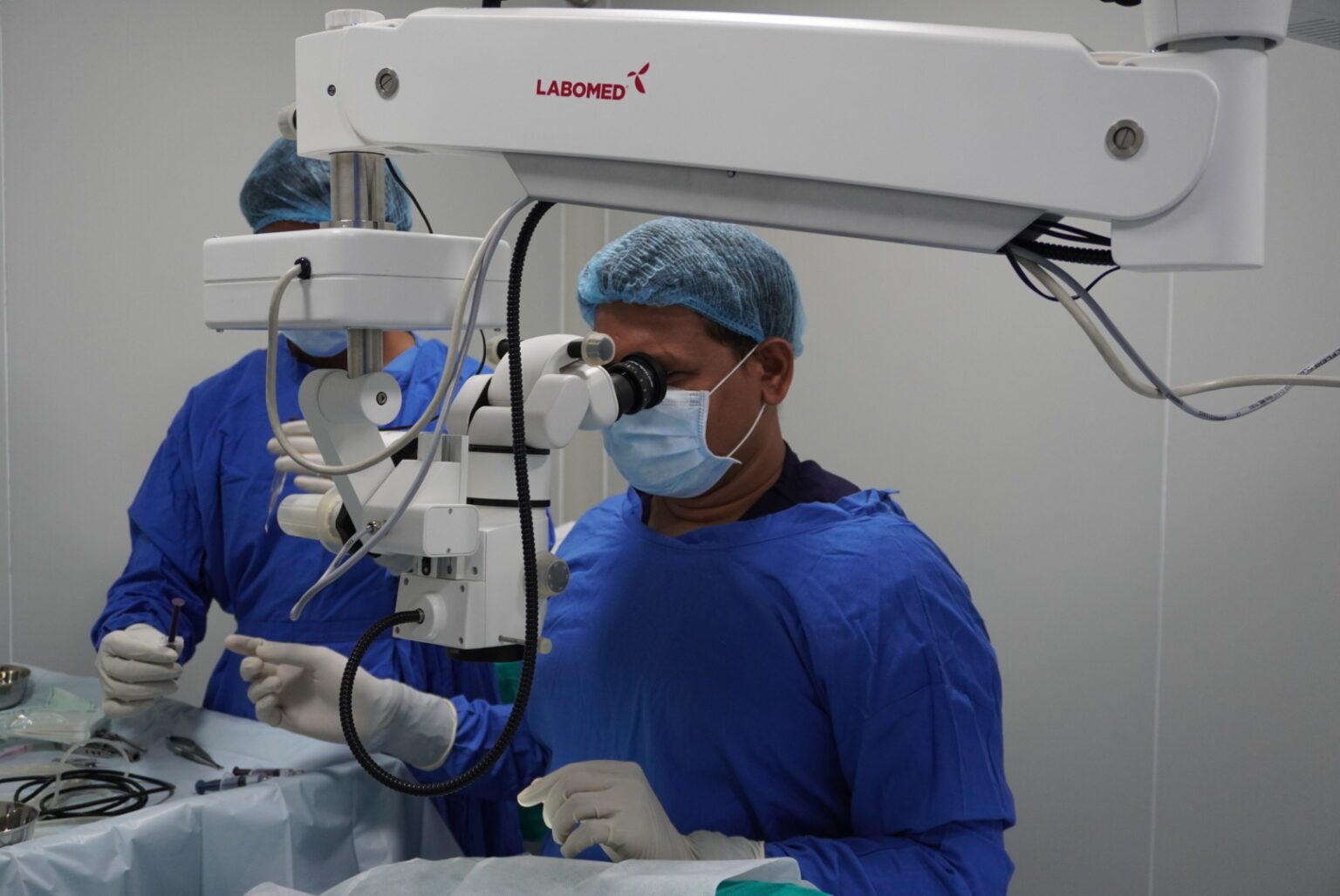
Training at LVPEI: Dr. Shanthiniketh received specialized training at L.V. Prasad Eye Institute (LVPEI), a renowned eye care center known for its excellence in ophthalmology. This training has equipped him with advanced skills and knowledge in corneal surgeries. Extensive Experience: Dr. Shanthiniketh has performed over 1,000 eye transplants throughout his career, demonstrating his proficiency in a wide range of corneal procedures, including advanced lamellar techniques.Continuous Learning: Dr. Shanthiniketh stays updated on the latest advancements in corneal transplant surgeries, ensuring patients receive the most effective and modern care.

Contributions to Eye Care
Development of Cornea Department: Dr. Shanthiniketh has been instrumental in developing the cornea department at Akira Eye Hospital in Rajahmundry, enhancing the quality of eye care in the region. Chief Cornea Consultant: Dr. Shanthiniketh serves as the chief cornea consultant at Neoretina Eye Hospital, part of the Centre for Sight group of hospitals, contributing his expertise to another esteemed institution.
Commitment to Quality Care
Personalized Care: Patients receive individualized treatment plans tailored to their specific needs, from preoperative assessments to postoperative follow-up care. Advanced Surgical Techniques: Shanthi Nethralaya employs cutting-edge techniques such as Descemet’s membrane endothelial keratoplasty (DMEK) and Descemet’s stripping endothelial keratoplasty (DSEK), ensuring precise and successful procedures. Comprehensive Postoperative Support: The hospital offers thorough postoperative care, including regular follow-up visits and personalized guidance for optimal recovery.

Patient-Centered Approach
Patient Education: Dr. Shanthiniketh prioritizes educating patients about their condition, the surgical process, and postoperative care, empowering them to make informed decisions about their eye health. Comfort and Convenience: Shanthi Nethralaya’s facilities are designed to provide a welcoming and supportive environment for patients.
Frequently Asked Questions
A corneal transplant, also known as keratoplasty, is a surgical procedure to replace part of your cornea with corneal tissue from a donor. The cornea is the transparent, dome-shaped surface of your eye that accounts for a large part of your eye’s focusing power.
Penetrating Keratoplasty (PKP): A full-thickness transplant where the entire cornea is replaced. Deep Anterior Lamellar Keratoplasty (DALK): Replaces the front layers of the cornea, leaving the inner endothelial layer intact. Endothelial Keratoplasty (EK): Replaces only the innermost layer of the cornea.This includes Descemet’s Stripping Endothelial Keratoplasty (DSEK) and Descemet Membrane Endothelial Keratoplasty (DMEK).
Book an Appointment
Fill out the form below and we will get back to you shortly.
Shanthi Nethralaya Eye Hospital, Hanumasai Nagar, Shanti Nagar, Uppal, Hyderabad, Hyderbad, Telangana 500039
+91 80746 61750
09:00 AM - 08:00 PM